

.jpg)


A comprehensive guide to OBD-II fault codes on the Iveco Daily (1999–2025)
Iveco Daily commercial vehicles, which have been in production since the late 1990s, feature an OBD-II (On-Board Diagnostics – second generation) electronic diagnostic system, which is essential for maintenance and repair. This system generates standardised fault codes that enable the precise identification of faults in the engine, transmission, brakes or electrical system.
With this comprehensive technical guide, you will learn:
- How OBD-II codes work
- How to read, interpret and resolve them on an Iveco Daily
- Which tools are compatible
- Which codes are most common
- And what the limitations of OBD diagnostics are on this vehicle
Understanding the structure of an OBD-II DTC
Each DTC (Diagnostic Trouble Code) consists of 5 characters:
Initial letter: indicates the fault category
- P: Powertrain – engine, gearbox
- C: Chassis – Iveco Daily ABS, ESP, steering
- B: Body – bodywork equipment
- U: Network – CAN communications
Second character:
- 0 = common generic code
- 1/2/3 = manufacturer-specific code
Three hexadecimal digits: identify the specific fault (e.g. sensor, actuator, range of values)
? Example: P0401
- P = engine
- 0 = generic
- 401 = EGR problem (insufficient flow
Development of the OBD-II system on the Iveco Daily
Most common code families on the Iveco Daily
1. P codes (Powertrain)
Relate to:
- Engine: injection, EGR, turbo, engine sensors
- Automatic/automated gearbox: torque converter, gear, clutch on the Iveco Daily
Common examples:
- P0401: Insufficient EGR flow
- P0299: turbo under-boost
- P0234: turbo overpressure
- P0087: Low rail pressure
- P0380: Preheating fault
2. C codes (Chassis)
ABS / ESP / power steering
Examples:
- C0035: front left ABS sensor
- C1380: Faulty ABS control unit
? Note: these often require an advanced tool; standard OBD interfaces do not always read these codes.
3. B codes (Bodywork)
Cabin equipment (heating, airbags, air conditioning, etc.)
Examples:
- B1020: auxiliary cabin heater
- B0100: airbag control unit
4. U codes (Communication network)
CAN Bus issues
Examples:
- U1701: loss of ABS communication
- U0422: Incoherent message from the control unit for Iveco Daily
Top 6 most frequently encountered error codes
Beware of common pitfalls in OBD diagnostics
- Hexadecimal codes (e.g. CF1611): require Iveco documentation for translation
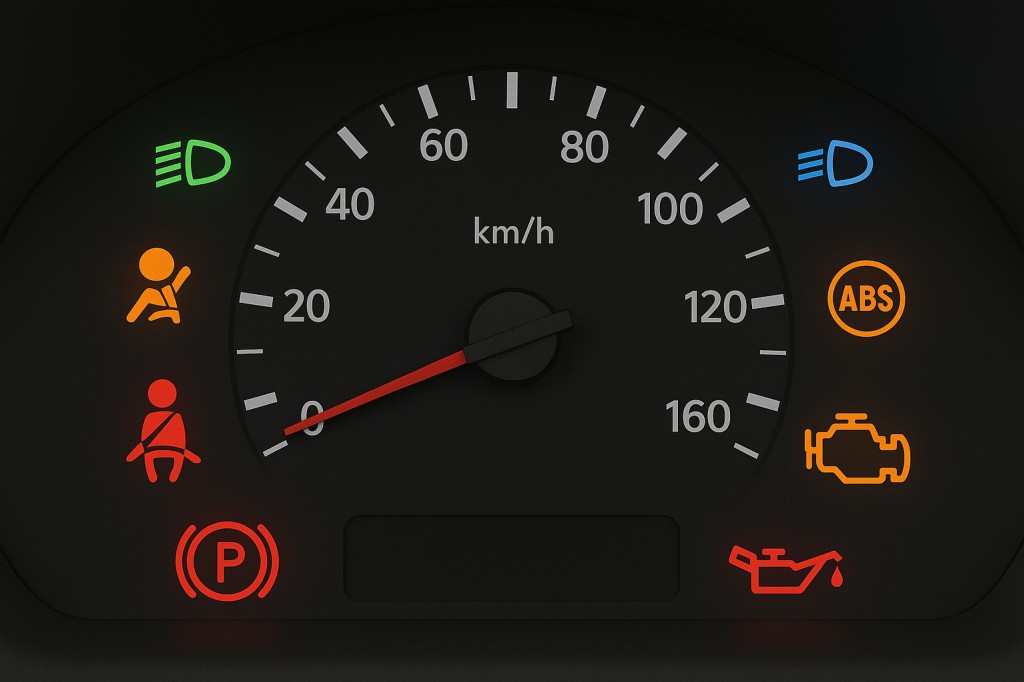
- Dashboard display ≠ OBD code: the number displayed (e.g. 136) is an internal value, not a direct DTC
- Premature clearing: always note down the stored data before clearing
- Connectors: on older models, a round plug may be used (adapter required)
Practical recommendations for effective diagnostics
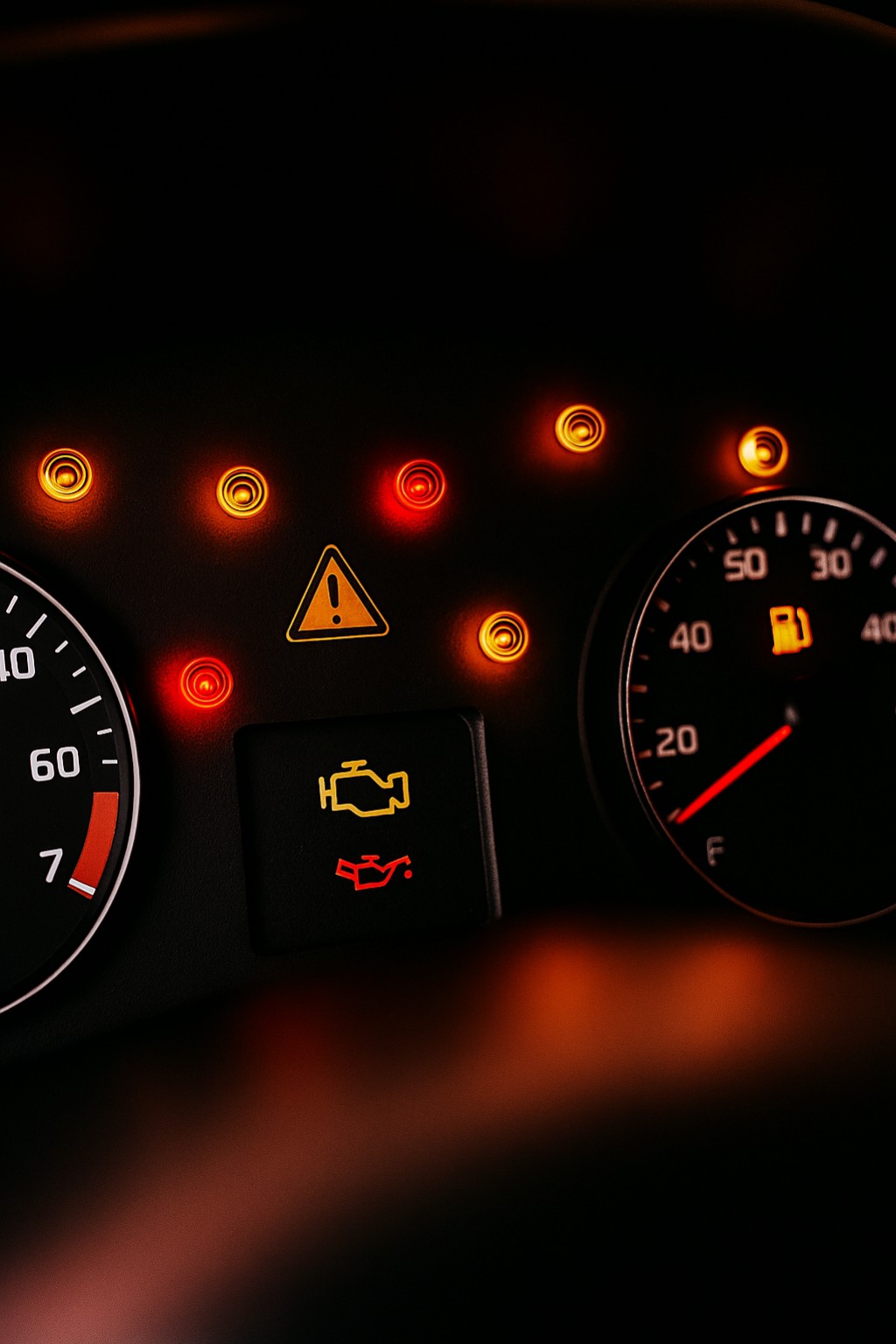
- Always read the codes as soon as a warning light comes on
- Never clear codes before diagnosing the cause
- Test sensors, solenoid valves and hoses before replacing
- Use a tool capable of accessing specific Iveco modules
- Analyse data in real time to validate repairs
- Consult technical databases and specialist forums
The OBD-II system is a real asset for maintaining an Iveco Daily, provided you fully understand the codes, have the right tools, and follow a rigorous method. From the EGR valve to the particulate filter, from the injection system to the SCR AdBlue, everything is monitored – and every code is a gateway to a quick and reliable diagnosis.
At KPX PARTS, we provide you with the best Iveco Daily-compatible spare parts, ensuring that every repair is quick, efficient and long-lasting.
?️ Order online via our website or contact our team for advice on the best-suited part for your generation of Daily.