

.jpg)
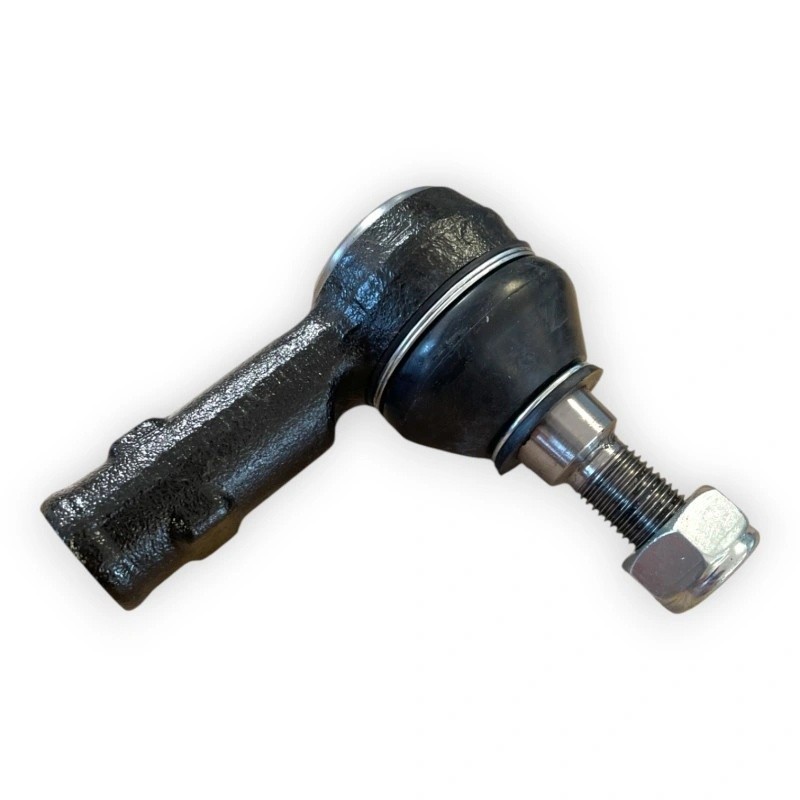




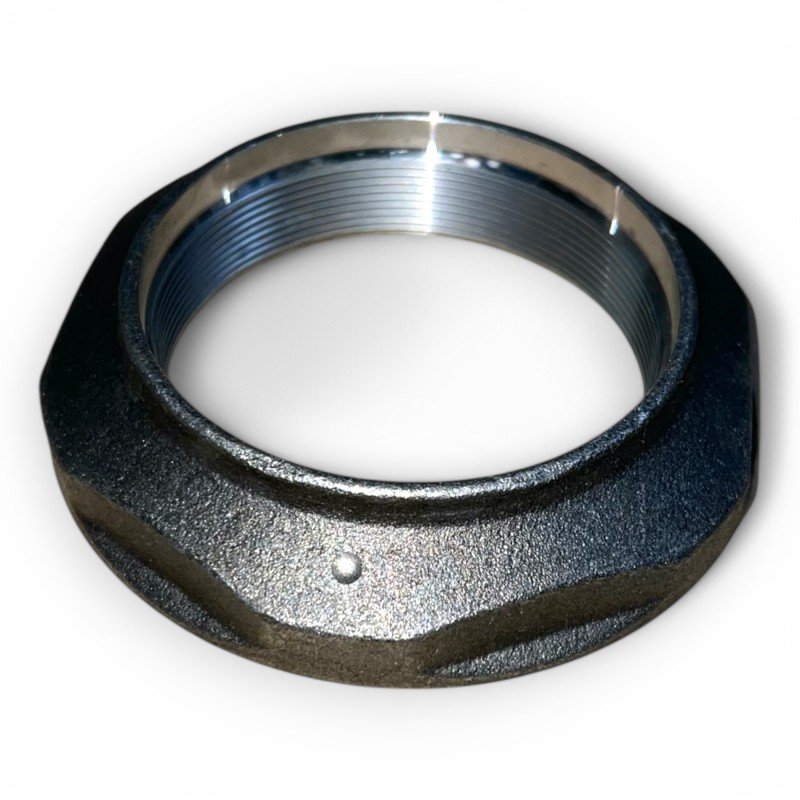
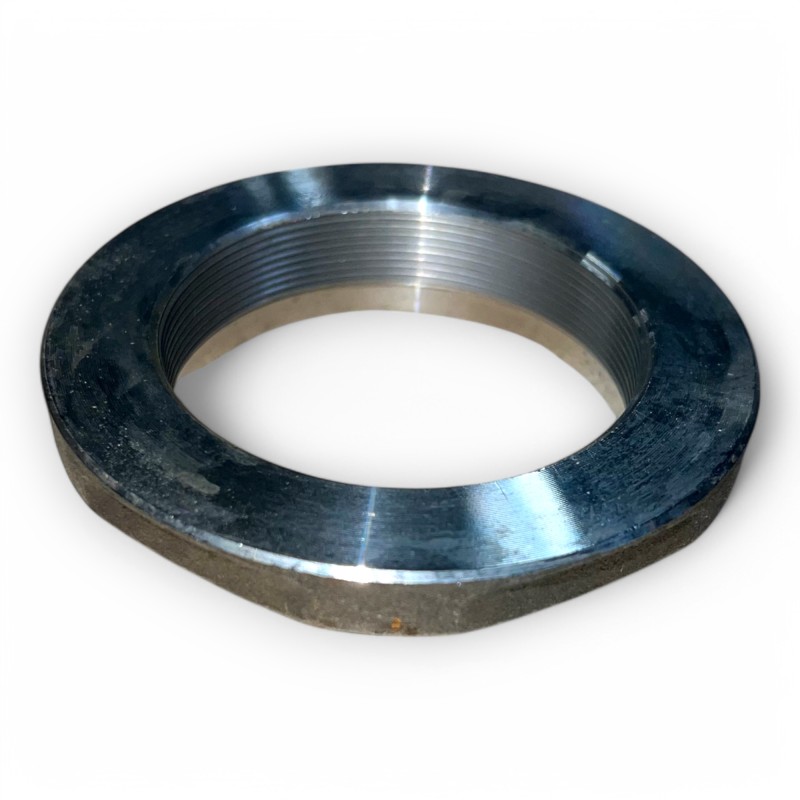


Lock Nut for Iveco – Security and Reliability Assured 🚛
🔍 Product Description
The lock nut is an essential component used in various mechanical applications on your Iveco. It is designed to secure threaded assemblies by preventing the loosening of main nuts under the effects of vibrations and dynamic loads.
🚀 A lock nut in good condition allows you to:
- ✅ Ensure the security of mechanical assemblies by preventing accidental loosening.
- ✅ Maintain the structural integrity of vehicle components.
- ✅ Extend the service life of assemblies by reducing wear caused by unwanted movement.
📌 Reference: Product compatible with Iveco code 93162317
⚙️ Why This Lock Nut is Essential?
💡 The lock nut plays a critical role in the reliability and safety of your vehicle's mechanical assemblies.
- Road Safety: It ensures that critical components remain firmly secured, preventing potential mechanical failures.
- Breakdown Prevention: By preventing the loosening of main nuts, it helps prevent malfunctions and costly repairs.
- Regulatory Compliance: The use of appropriate lock nuts is essential for meeting technical specifications and safety regulations.
🔧 Technical Specifications
- 📌 Technical Details:
- Thread type: M16 x 1.5
- Material: High-grade steel with anti-corrosion treatment
- Shape: Hexagonal
- Recommended torque: Per manufacturer specifications
⚠️ When to Replace Your Lock Nut?
🔧 Watch for signs indicating a defective or worn lock nut:
- ❌ Visible wear or damage on the threads
- ❌ Excessive corrosion compromising the nut's integrity
- ❌ Frequent loosening despite proper tightening
🚨 Ignoring these signs can compromise your vehicle's safety and reliability!
🛠️ Installation and Replacement of the Lock Nut
💡 Replacing the lock nut is a simple operation requiring basic tools.
Installation steps:
- Vehicle securing: Ensure the vehicle is parked on a level and stable surface.
- Access to the assembly: Identify the area where the lock nut should be installed or replaced.
- Removal of the old lock nut: Use an appropriate wrench to unscrew the worn or damaged lock nut.
- Thread inspection: Check the condition of the main nut and threaded rod threads for any wear or damage.
- Installation of the new lock nut: Screw the new lock nut in place and tighten it according to manufacturer specifications.
- Final verification: Ensure the assembly is secure and the lock nut is properly tightened.
📌 Tip: It is recommended to replace lock nuts during any intervention requiring the disassembly of main nuts to ensure optimal safety.
🎯 Why Choose Our Product?
- 🌟 Superior Quality: Manufactured according to OEM standards for increased durability and reliability.
- 🚀 Fast Shipping: Dispatch within 24-48 hours to minimize your vehicle's downtime.
- 🔧 Technical Support: Our team of experts is at your disposal for any questions or assistance.
- 💰 Competitive Pricing: Enjoy the best value for money on the market.
🏁 Complementary Accessories for Optimal Fastening
🛠️ To ensure the reliability of your assemblies, also consider:
- Main nuts – For robust component fastening.
- Security washers – To prevent nut loosening.
- High-strength bolts – For assemblies subjected to high loads.
📞 Need Help?
- 📞 Phone support: Our experts are ready to answer your questions.
- 💬 Live chat: Get instant answers from our team.
- 📩 Contact form: We are committed to responding within 24 hours.