

.jpg)


What causes an alternator failure on an Iveco Daily?
The alternator is a vital component of a vehicle’s electrical system, including that of the robust Iveco Daily. It generates electricity by converting the engine’s mechanical energy into electrical energy. However, despite its durability, the alternator can still fail, causing major problems with your Iveco Daily. Understanding how it works and the parts that make it up is crucial to grasping its vital role in the smooth running of this versatile commercial vehicle.
What is an alternator? How does it work and what parts does it consist of?
Although the battery and the alternator work together to supply the electricity needed by the vehicle, the two components differ. Unlike the battery, whose main function is to store electrical energy, the alternator (or voltage regulator) generates this mechanical energy and converts it into electrical energy.
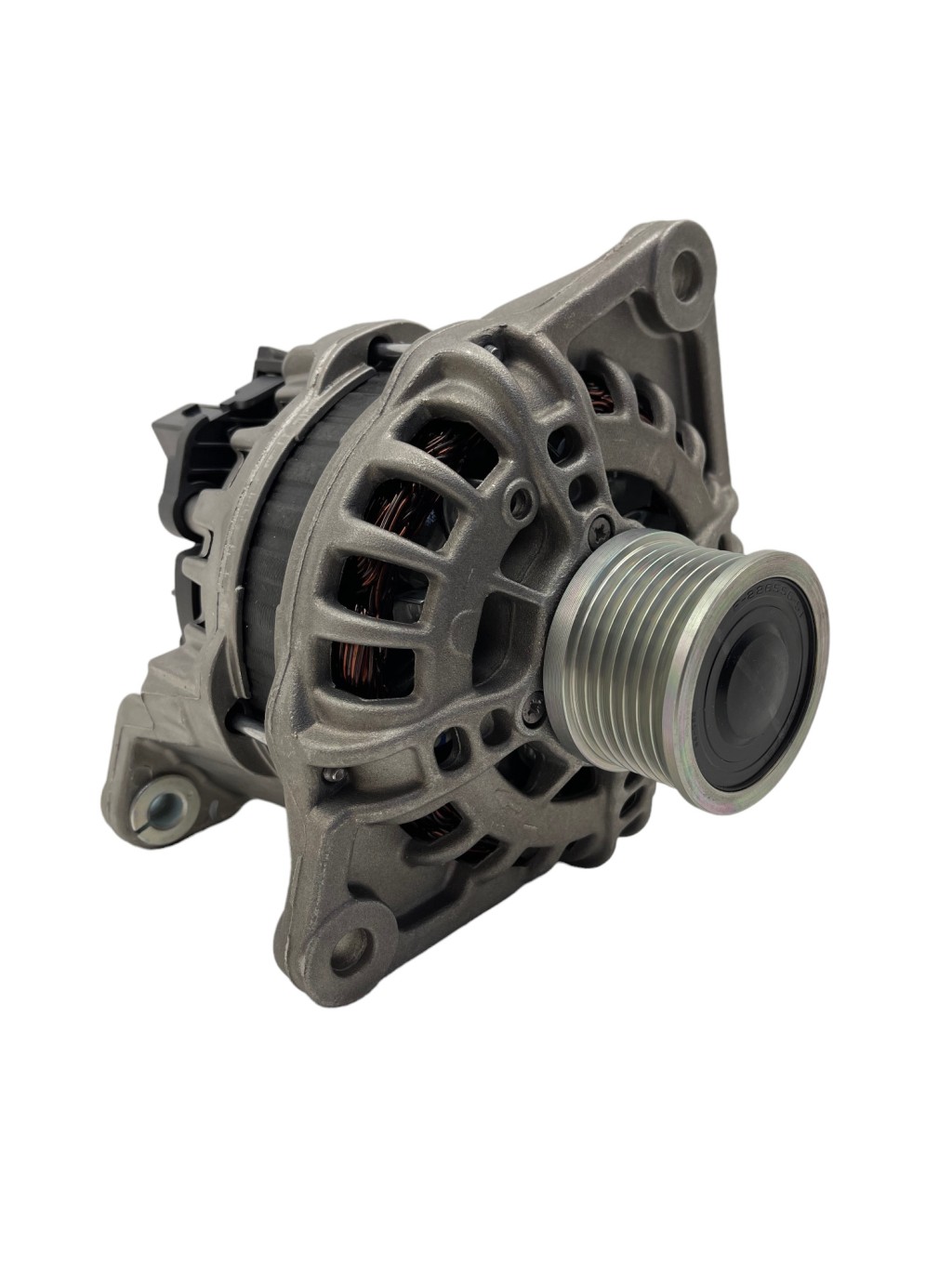
When the Iveco Daily’s engine is running, a pulley connected to the crankshaft drives a belt which, in turn, rotates the alternator. Inside the alternator, two essential components work in synergy to produce electricity: the rotor and the stator.
-
The rotor is the moving part of the alternator and consists of a set of coils of wire wound around a ferromagnetic core. As the rotor turns, it creates a magnetic field that interacts with the stator.
-
The stator, as its name suggests, is the fixed or static part of the alternator. It consists of a steel sheet core around which coils of copper wire are also wound.
Thus, when the rotor generates this magnetic field, it induces an electric current in the stator coils, thereby producing electricity. The electric current is then redirected to the battery, which stores it to power the various electrical components of the Iveco Daily: headlights, air conditioning system, navigation system, windscreen wipers, etc.
Common causes of alternator failure on an Iveco Daily
The alternator is subject to various causes of failure on an Iveco Daily. Understanding these factors is essential to prevent breakdowns and maintain the proper functioning of this commercial vehicle.
-
Normal wear and tear: like any mechanical component, the alternator undergoes natural wear and tear over time. Internal parts such as brushes, bearings and coils can wear out gradually. This normal wear and tear can be accelerated by harsh driving conditions, intensive use or a lack of maintenance.
-
Electrical issues: problems such as short circuits, wiring faults or faulty sensors can lead to voltage fluctuations or poor regulation of the electrical load.
-
Belt problems: The timing belt is responsible for transmitting power from the engine to the alternator. Worn, loose or damaged belts can slip or break, resulting in a loss of the rotation needed to generate electricity. Consequently, the alternator does not function properly, or at all, and cannot recharge the Iveco Daily’s battery.
-
Electrical overload: the Iveco Daily is often fitted with a variety of electrical equipment. An overload can occur when this equipment draws more power than the alternator can produce. This can therefore cause the alternator to overheat and malfunction.
-
Other common causes: other factors can contribute to alternator failures on an Iveco Daily – coolant leaks, voltage regulator issues affecting the stability of the electrical load, or the presence of foreign objects obstructing the alternator fan blades, etc.
Solutions for repairing alternator faults on an Iveco Daily
Fortunately, there are solutions to diagnose, repair and even extend the life of the alternator. Here are some practical tips for resolving alternator faults on an Iveco Daily:
How do you diagnose an alternator fault?
Common signs include dimmer headlights, a lit battery warning light, an increasingly sluggish electrical system, a burning smell or unusual noises coming from the alternator. Using a multimeter or voltmeter to measure the battery voltage and the alternator’s output voltage can provide valuable insights into its operating condition. To do this:
-
Switch off the engine,
-
Connect the multimeter leads to the battery, attaching the red lead to the ‘positive’ terminal and the black lead to the ‘negative’ terminal,
-
Set your meter to DC voltage measurement. The reading should be greater than approximately 12V,
-
Disconnect the leads, start the engine, then reconnect the leads.
If the displayed value is above 12V, then the alternator is working correctly. However, if the value remains unchanged from that recorded when the engine was off, this means the alternator needs replacing.
How to fix electronic faults?
If electronic faults are causing the alternator to fail, a thorough inspection of the connections, sensors and wiring is required. Check components such as the pulley, connector, regulator or belt and replace any that are faulty. If several components are at fault, it is recommended that the alternator be replaced entirely.
How do you replace the alternator?
Start by disconnecting the battery to avoid any electrical risk. Then remove the components blocking access to the alternator. Remove the old alternator and install the new one following the manufacturer’s instructions. Ensure all connections are tightened securely and reinstall the components in the reverse order of removal.
Tips for extending the life of the alternator
-
Avoid overloading the electrical system by limiting the simultaneous use of power-consuming equipment,
-
Carry out regular preventive maintenance,
-
Use a high-quality battery and ensure it is charged and maintained,
-
Avoid sudden temperature fluctuations and protect the alternator from external elements such as water, dust and dirt.
If you need to replace the alternator on your Iveco, don’t hesitate to contact KPX Parts. Our selection of Iveco Daily spare parts guarantees not only perfect compatibility but also optimal performance.