

.jpg)


When and why should you replace the timing belt on an Iveco Daily?
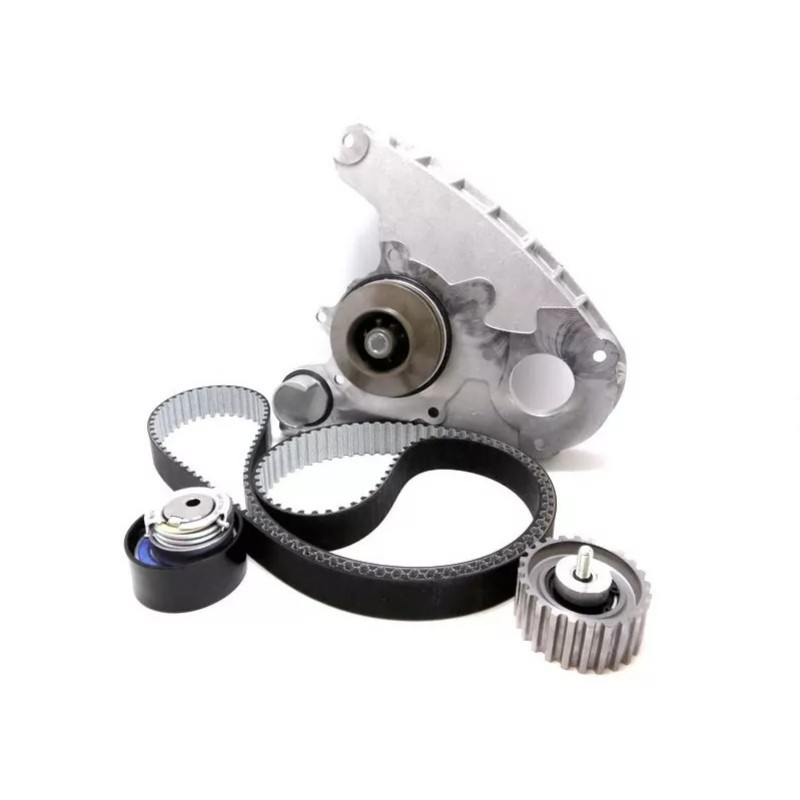
The timing belt kit is a set of components that are essential to the engine of your Iveco Daily. This kit ensures that the movements of the various engine components – notably the crankshaft, pistons and valves – are synchronised. This mechanism ensures that the engine operates at its best.
Just like the other components of the timing system, the belt undergoes natural wear and tear over time, due to regular use of the engine and the accumulation of mileage. A failure of the timing belt can cause irreversible damage to the engine of your Iveco Daily.
Replacing the engine is an extremely costly procedure, so it is essential to have the condition of the Iveco Daily timing belt checked regularly to preserve the engine’s lifespan and thus prevent any breakdowns or malfunctions.
Understanding timing kits
The timing kit ensures the perfect synchronisation of the continuous movements of the intake valves for the air-fuel mixture and the exhaust valves for burnt gases, relative to the position of the piston in each cylinder.
The timing kit essentially consists of a durable timing belt, tensioner and idler rollers, as well as pulleys. The timing belt is the key component of the kit and transmits the engine’s power to the various mechanical components. A damaged belt causes a loss of synchronisation in all these movements.
The tensioner pulleys or pulleys are key components for maintaining the tension of the timing belt. They adjust the tension and alignment of the belt according to temperature and wear, thereby ensuring the engine runs smoothly. The idler pulleys, meanwhile, ensure the belt is guided optimally along its path.
Service life of a timing belt kit on an Iveco Daily
The service life of a timing belt kit ranges from 70,000 to 120,000 km, or approximately every 5 to 10 years. However, several factors can influence the service life of a timing belt kit on an Iveco Daily, including:
-
The quality of the components: high-quality components will be more resistant to wear and tear.
-
The conditions in which the truck is used: over time, the belt becomes less durable and less flexible. If the truck is used in extreme conditions (mountainous terrain, dusty environments, etc.), this can accelerate wear on the timing belt kit. Similarly, intensive use of the vehicle, such as long journeys or heavy loads, can also reduce the lifespan of the timing belt kit.
-
Maintenance frequency: regular checks and timing belt replacements, as recommended by the manufacturer, enable any abnormal wear or malfunction to be detected quickly, thereby preventing costly breakdowns.
-
The type of fuel used: timing belts in petrol vehicles tend to wear out more quickly than those in diesel engines, due to their lower engine speed.
Signs that the timing belt kit needs replacing
The date and mileage are the first indicators that will help you determine when to change your truck’s timing belt. However, other signs of wear may alert you to the need to replace the timing belt:
-
A visibly worn, cracked or torn belt,
-
Unusual noises coming from the engine,
-
A leak of coolant, oil or diesel, or the engine overheating.
Although visible or audible signs can help detect wear or malfunction in a timing belt, it is important to note that this is not always the case. Sometimes, it can be difficult to access the belt to assess its condition. Therefore, the best way to prevent premature deterioration is to follow the manufacturer’s recommendations and consult the service booklet for your Iveco Daily to find out the estimated service life and the maximum mileage to be observed.
Process for replacing a timing belt kit on an Iveco Daily
Replacing the timing belt kit is a crucial step in ensuring the engine runs smoothly and lasts a long time. It is important to follow a precise procedure, consider the costs and be aware of the risks.
Steps for replacing a timing belt
Replacing the timing belt on an Iveco Daily involves several steps:
-
Positioning the Iveco Daily on jack stands
-
Removing the timing components, including the belt, water pump, tensioners and pulleys,
-
Inspecting the other components to check their condition and ensure they show no signs of wear or malfunction,
-
Fitting the new timing components
-
Adjusting the belt tension using a tension gauge,
-
Testing and checking the operation of the new timing kit by turning the engine block manually.
As you can see, replacing a timing belt kit is a complex operation that requires a certain level of expertise and specific tools. Leave your Daily in the hands of a professional at a garage and avoid irreversible damage to your van’s engine.
Costs associated with replacing a timing belt kit
The cost of replacing a timing belt can vary depending on the region, the model, the vehicle and the complexity of the job. On average, the price of a replacement on an Iveco Daily is €500, including labour.
Risks of waiting too long to replace a timing belt kit
Waiting too long before replacing the timing belt on an Iveco Daily can lead to numerous risks, including:
-
The belt breaking,
-
Loss of performance,
-
Excessive fuel consumption,
-
Cooling system failure.
In short, the timing belt is a vital component of the engine block, as it synchronises various parts. Its natural wear and tear means it needs to be replaced regularly. By following the manufacturer’s recommendations and keeping an eye on the replacement indicators, you can avoid complications and extend the lifespan of your Iveco Daily.
If you have any questions about spare parts for the Iveco Daily, please do not hesitate to contact us directly.