

.jpg)


Problem with the particulate filter on an Iveco Daily – what should I do?
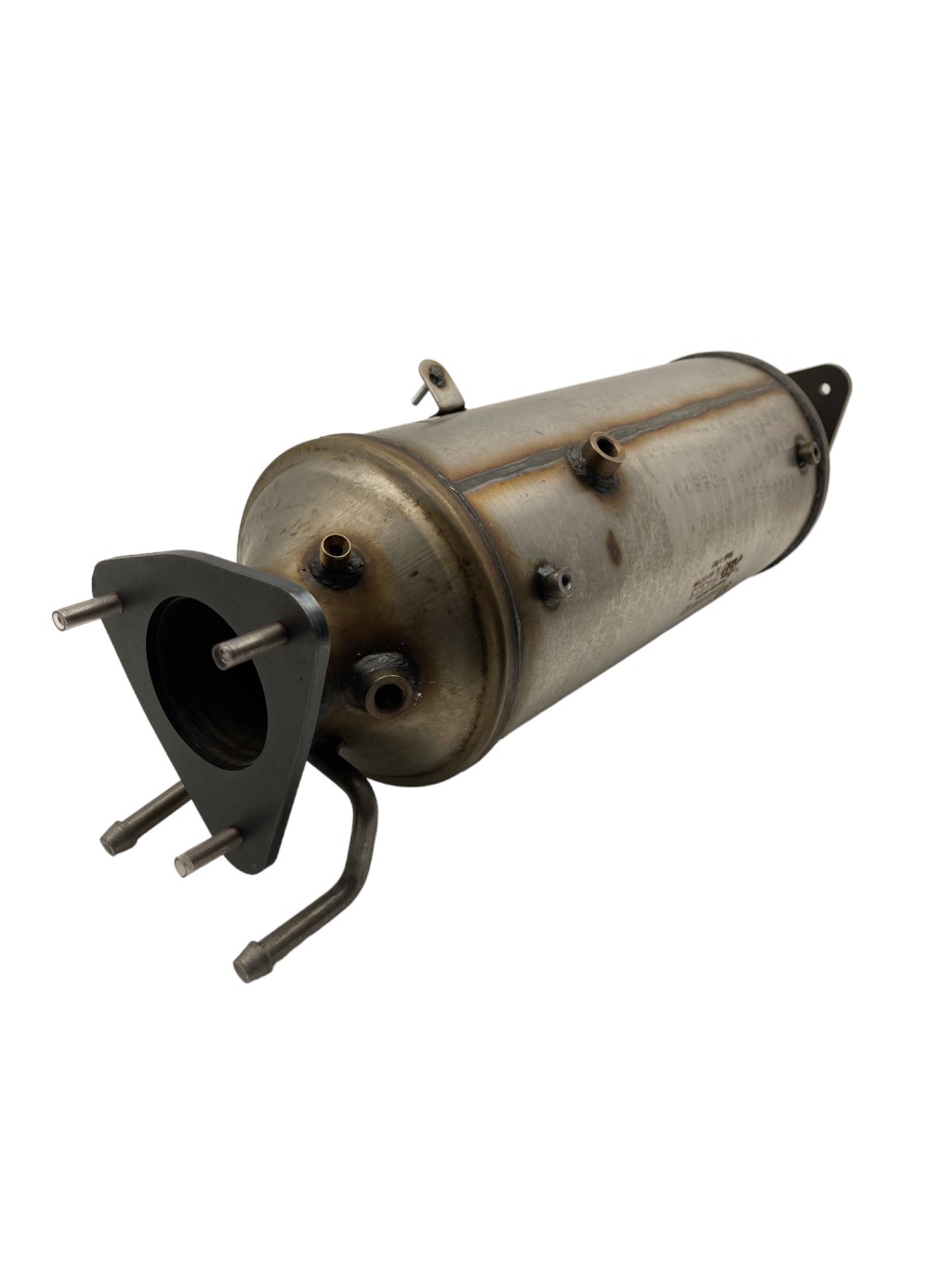
Featuring multiple channels, the particulate filter (DPF) is the component that removes harmful particles emitted by diesel engines. These particles often take the form of black smoke caused by the incomplete combustion of diesel fuel, which leads to pollution. The particulate filter therefore regenerates and cleans your exhaust system automatically.
A warning light coming on, an EGR valve blockage, clogging, or damage to vehicle components are all faults that can occur when your filter is damaged or blocked.
There are various reasons for the deterioration of the particulate filter, which directly affects your engine and exhaust system. It is essential to clean or replace it as soon as the first symptoms appear.
A particulate filter problem on an Iveco Daily can cause trouble. Find out how to identify the causes and solutions to fix this problem.
Signs and symptoms of a particulate filter problem
There are several signs that can help you identify whether your particulate filter is damaged:
-
A significant loss of power (when starting and during acceleration)
-
The car stalling, particularly when starting
-
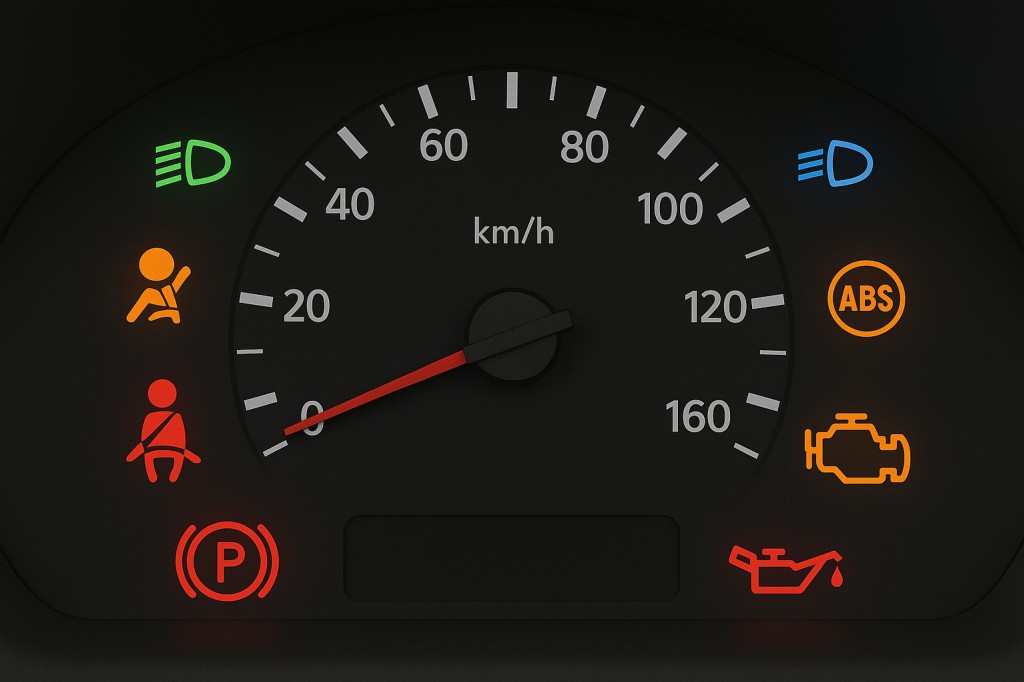
The DPF warning light comes on on the dashboard
-
Excessive fuel and engine oil consumption
-
Your vehicle slowing down
-
Black smoke coming from the exhaust
In principle, a particulate filter regenerates automatically. However, if one or more of these signs occur, you should see a mechanic immediately for a check-up. A faulty particulate filter can damage your engine.
Common causes of a damaged particulate filter
There are several different reasons why a particulate filter may be damaged:
-
Normal wear and tear:
A particulate filter in poor condition can cause frequent stalling when starting, a loss of power, and increased fuel and oil consumption. Servicing and MOT tests for your Iveco Daily are mandatory to check this component.
-
Electrical faults
Your dashboard may show a DPF warning light illuminated even though your particulate filter is actually in good working order. This may be due to electronic faults (disconnected or faulty wires). If the warning light is on, we recommend consulting a technician.
-
Regeneration problems
Urban driving characterised by frequent stops can cause regeneration problems.
-
Clogging, filter fouling and a blocked filter
Particulate filter regeneration occurs automatically; however, the filter can sometimes become blocked, preventing the removal of harmful particles. The apparent poor combustion in diesel engines means that the particulate filter does not absorb all of these toxins. The build-up of ash will block the particulate filter.
A temperature below 550°C will prevent automatic regeneration, which will cause the DPF to become clogged.
-
Other common causes
Using the wrong oil (which contains metals), poor diesel combustion, low fuel levels and a lack of maintenance can also be common causes of particulate filter deterioration.
Solutions for resolving particulate filter problems
To resolve any issues that may arise with a DPF, several solutions can be implemented.
How to fix electronic faults
When your particulate filter is damaged, a warning light will come on. Most of the time, your filter is damaged; other times, it is simply an electronic fault. It is therefore important to have a technician check the source of the problem to establish an accurate diagnosis.
How to resolve regeneration issues?
Before replacing the particulate filter, it must be checked by a technician. The filter can be cleaned in various ways:
-
Passive regeneration: you deliberately drive a route so that the filter can assess the layer of soot trapped within it.
-
Active regeneration: this is triggered by the engine control unit when the filter becomes too clogged. This method is not without risk as it tends to raise the oil level.
Another type of cleaning is often considered: hydrogen cleaning (or decarbonisation), which ecologically removes soot from the engine and exhaust system. This cleaning helps boost the performance of your engine and turbo.
Passive regeneration remains, however, the safest method for cleaning your Iveco Daily.
How do you replace the particulate filter?
The DPF is a component that requires a certain investment. Before proceeding with replacing this part, it is important to check whether cleaning might suffice. Passive regeneration can easily be carried out by a private individual. However, active or hydrogen regeneration is more complex and requires the expertise of a professional.
Tips for extending the life of your particulate filter
The lifespan of a particulate filter is between 120,000 and 150,000 km for an Iveco Daily. Regular maintenance and monitoring of the particulate filter can further extend its lifespan. There are several tips to help keep your particulate filter in good condition, such as carrying out regular regeneration on your Iveco Daily and driving long journeys. Therefore, you should avoid driving in urban areas as much as possible.
Don’t worry, KPX PARTS can supply you with quality spare parts for your Iveco Daily, such as particulate filters and catalytic silencers.